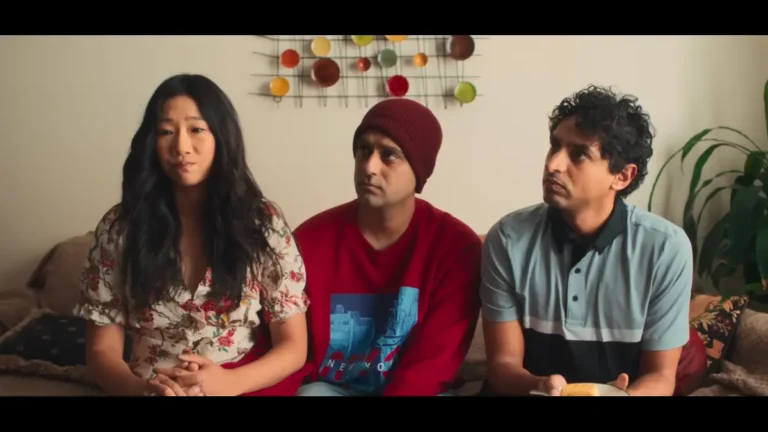
Paper Flowers
Verdict: A sincere and moving true-story drama that prioritizes heart and gratitude over dramatic complexity. It connects with viewers seeking emotional uplift but may feel too polished and familiar for those wanting sharper edges.
Pros:
- Honest central performances that feel grounded and warm
- Clear message about living with purpose and appreciating small moments
- Emotional ending that ties the personal story to real impact
Cons:
- Sometimes leans too heavily into sentimentality
- Supporting characters and conflicts stay on the surface
About Paper Flowers 2026
| Detail | Information |
|---|---|
| Title | Paper Flowers |
| Directed by | Mahesh Pailoor |
| Written by | Mary Krell-Oishi, Mahesh Pailoor, Asit Vyas |
| Produced by | Asit Vyas |
| Cast | Kapil Talwalkar, Olivia Liang, Karan Soni, Faran Tahir, Meera Simhan, Tom Everett Scott |
| Cinematography | Akash Raj |
| Music by | Kristin Øhrn Dyrud |
| Production Companies | AV Entertainment |
| Release Date | 21 August 2026 (limited) |
| Country | USA |
| Language | English |
| Genre | Drama, Biographical |
| Censor Rating | NR |
Paper Flowers arrived in select US theaters on 21 August 2026 as a limited independent release. It is based on the real life of Shalin Shah, whose viral HuffPost essay about facing a rare cancer diagnosis struck a chord with many readers years ago. The film follows a young Indian-American man navigating family expectations, a serious relationship, and an unexpected health crisis.
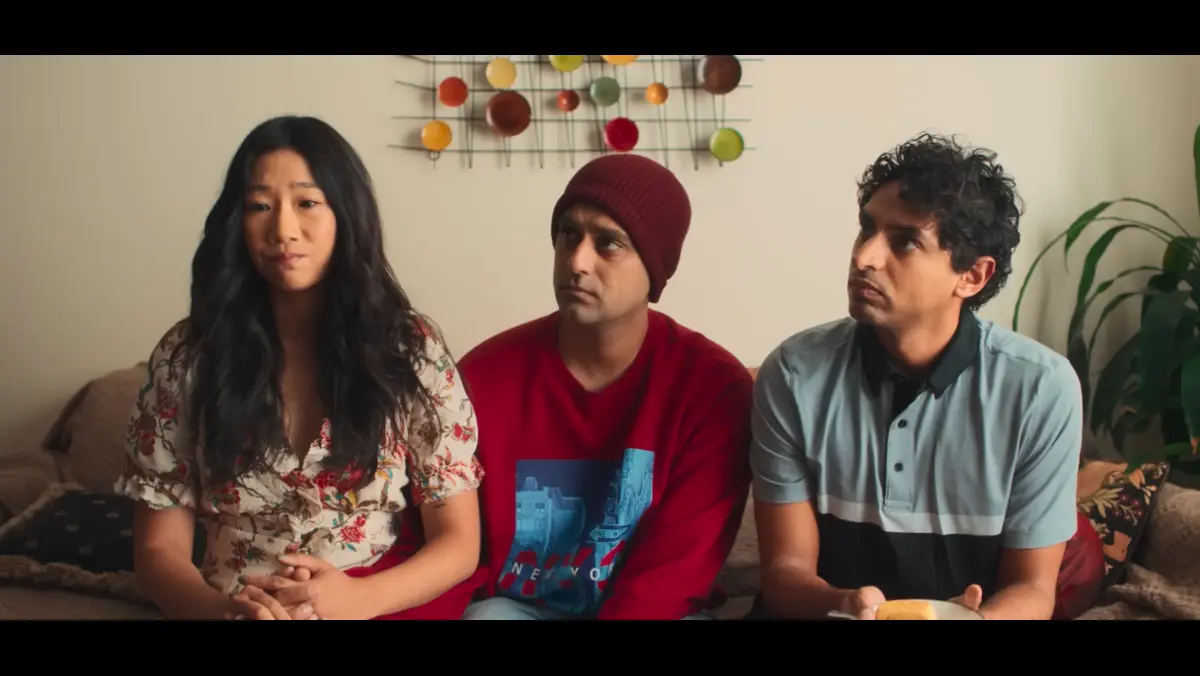
Kapil Talwalkar leads the cast as Shalin, with Olivia Liang playing his girlfriend Fiona. Supporting turns come from Karan Soni, Faran Tahir, and Meera Simhan. Early audience reactions from festival screenings and the first theatrical days have been mixed but largely respectful of the film’s intentions. Many viewers describe it as emotional and sincere, while others note it follows a familiar inspirational path.
The story stays straightforward. Shalin, a USC graduate, steps away from the path his family expects and the life he has built with Fiona to volunteer with the Peace Corps in Peru. A persistent health issue forces him to return home, where he and the people closest to him confront limited time and what truly matters. Without revealing key turns, the film focuses on how one person chooses to respond to difficult news through gratitude, connection, and small acts that ripple outward.
Audience discussions online and at early screenings frequently praise the warmth of the lead performances. Kapil Talwalkar’s portrayal of quiet determination and Olivia Liang’s steady presence as Fiona receive the most consistent positive mentions. Viewers often highlight the family dynamics and the gentle focus on everyday moments of care. Several people who watched it have said the film left them reflective about their own relationships and the value of time.
Common complaints center on the story feeling predictable at times and the overall tone remaining almost uniformly upbeat even during harder stretches. Some describe it as closer to a polished television drama than a raw theatrical experience, noting that the character at the center can come across as nearly too good to fully feel complex. People who respond best to the film are those looking for an uplifting true story about resilience and human connection rather than a complex character study or intense medical drama.
Its strengths lie in the sincerity of the message and the emotional honesty of the central relationship. The main weakness is that it rarely digs into messier or more contradictory feelings, which can make some scenes feel smoothed over.
For many, it is worth catching in theaters if an inspirational drama appeals and a limited-release film is playing nearby. Others may prefer waiting for streaming, where the intimate scale might land just as effectively.
Disclaimer: This review is based on publicly available audience reactions and discussions on X at the time of writing. Individual opinions may vary.