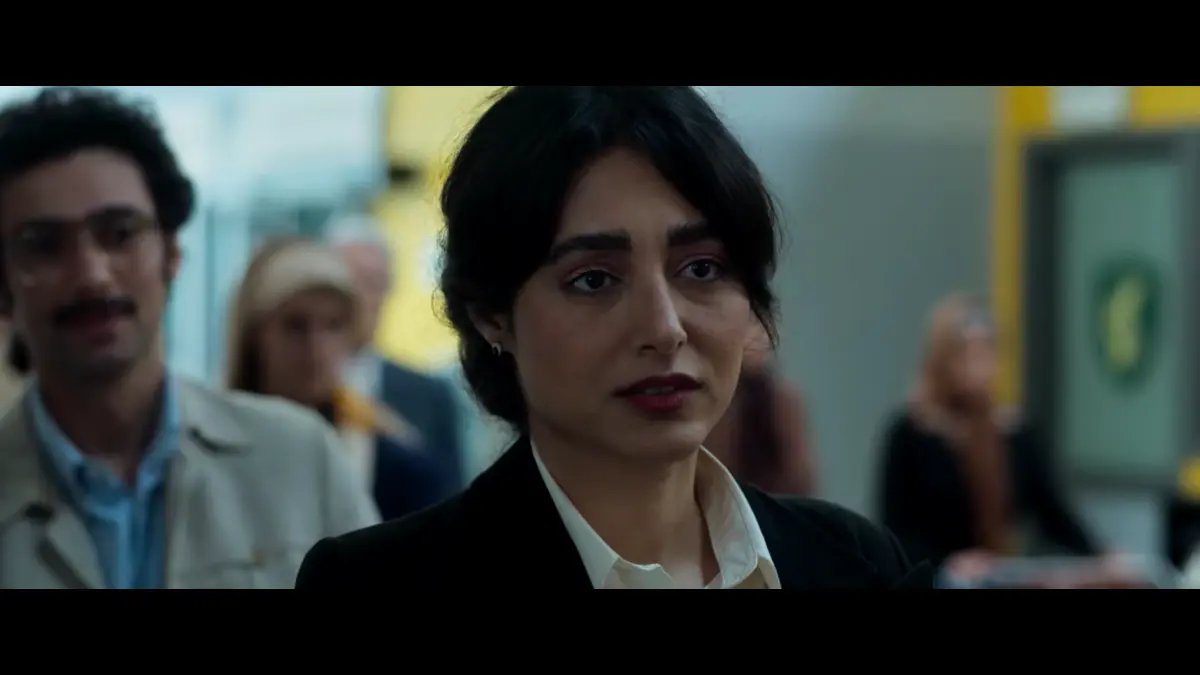
Our Rating: 7/10 ⭐⭐⭐⭐⭐⭐⭐
Verdict: This sincere screen version of Azar Nafisi’s memoir shows how a secret book club became an act of quiet defiance for women in revolutionary Iran. Early audience reactions praise the strong acting and meaningful themes, though some feel the film plays it safe and lacks deeper emotional fire.
Pros:
- Golshifteh Farahani and the young cast deliver layered, believable performances that feel honest.
- The story thoughtfully explores how books can offer comfort, courage, and new ways of seeing the world.
- It feels relevant today, touching on censorship, personal freedom, and women’s inner lives under pressure.
Cons:
- Flashbacks and time jumps sometimes break the emotional flow and make the pacing uneven.
- A few conversations explain ideas too directly instead of letting scenes breathe naturally.
| Movie | Reading Lolita in Tehran |
|---|---|
| Release Date | July 10, 2026 (Limited) |
| Genre | Drama |
| Director | Eran Riklis |
| Cast | Golshifteh Farahani, Zar Amir Ebrahimi, Mina Kavani, Bahar Beihaghi |
| Language | Persian |
The film opened in limited US release on July 10 and brings Azar Nafisi’s well-known memoir to the screen. It follows a literature professor who returns to Iran and slowly builds a small, hidden world where young women can read and talk about Western classics that the authorities disapprove of.
Through these private gatherings, the women begin to see reflections of their own restricted lives, dreams, and quiet rebellions in the pages of books like Lolita and Pride and Prejudice. Early reactions from festival screenings and the first limited showings have been respectful rather than wildly enthusiastic.
Many viewers have highlighted the natural chemistry among the cast and the way the film treats its characters with care. Golshifteh Farahani’s portrayal of the professor stands out for its quiet strength and vulnerability, while the younger actresses bring distinct personalities and real feeling to their roles.
People have also noted how the story gently reminds us why stories matter when real life feels heavy and controlled. At the same time, some audience members have mentioned that the non-linear structure can feel a little scattered.
A few felt the dialogue sometimes states its points too clearly, which takes away from the subtlety. Overall, the sentiment so far leans positive among those who value thoughtful, character-driven dramas, especially people interested in stories about resilience, literature, and women’s experiences in restrictive societies.
It has not sparked huge online debates yet, but those who connected with it often describe it as sincere and worth seeing. If you enjoy slow-burn films that focus on ideas and relationships rather than big twists or action, this one may stay with you.
It works best for viewers who like reflective stories about books and personal freedom. The strengths lie in the performances and the respectful handling of its real-life inspiration. The main weakness is a conventional style that does not always deliver strong emotional payoff.
For now, it is playing in select theatres, so catching it on the big screen can feel special if you support this kind of intimate drama. Otherwise, it should suit a thoughtful evening at home once it reaches streaming. It is not a perfect film, but it carries an honest heart and a message that still feels urgent.
Disclaimer: This review is based on publicly available audience reactions and discussions on X at the time of writing. Individual opinions may vary.
Also See: Reading Lolita in Tehran Collection | Day Wise
