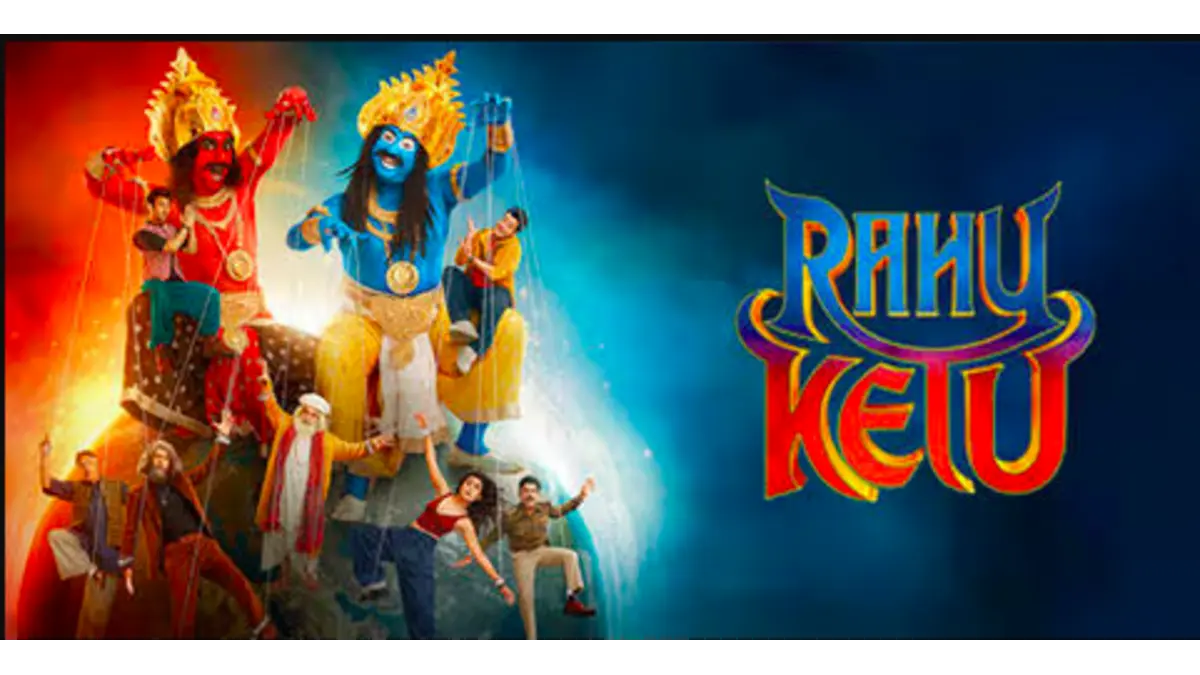
If you’ve been scrolling through your feed today, you might have caught wind of “Rahu Ketu,” the new Bollywood release that’s stirring up conversations. Released on January 16, 2026, this film directed by Vipul Vig stars Pulkit Samrat and Varun Sharma as the titular characters, drawing from ancient Hindu mythology but twisting it into a modern comedic adventure. I’ve dug deep into reviews, social media buzz, and the film’s elements to bring you this honest breakdown. No fluff, just real insights based on what critics and audiences are saying. It’s a movie that aims high with its unique concept but stumbles in execution – think Fukrey meets folklore, but with mixed results. Let’s dive in, shall we?
The Premise: Mythology Meets Modern Mayhem
At its core, “Rahu Ketu” is inspired by the Vedic legend of the shadow planets Rahu and Ketu, born from the demon Svarbhanu who was decapitated during the churning of the ocean for amrita. In the film, these entities are reimagined as bumbling human-like figures – Rahu (Varun Sharma) as the headstrong, food-loving troublemaker, and Ketu (Pulkit Samrat) as the more grounded but equally clumsy counterpart. The story kicks off with a struggling writer, Churu Lal Sharma (Manu Rishi Chadha), whose magical notebook brings his fictional characters to life.
The plot thickens when the notebook is stolen by a cunning woman (Shalini Pandey) tied to a drug mafia. Rahu and Ketu must navigate real-world chaos in Manali to retrieve it, dealing with cops, criminals, and their own karmic baggage. It’s a blend of fantasy, crime, and comedy, emphasizing themes like fate, superstition, and redemption. Spoiler-free: The first half builds fun through their antics, but the second shifts to thriller territory, which feels uneven. Critics note it’s kid-friendly, introducing myths without scares, but adults might find it preachy.
Performances: The Bromance Shines Amid the Noise
One thing almost everyone agrees on is the chemistry between Pulkit Samrat and Varun Sharma. Their Fukrey vibes are back, and it works.
- Varun Sharma as Rahu: He’s the standout, channeling his signature slapstick energy. Reviews praise his timing in physical gags, like causing wedding disasters. Social media users call him the “MVP,” with one X post saying he “steals scenes with wide-eyed innocence.”
- Pulkit Samrat as Ketu: More restrained, he brings intensity to the role, especially in emotional beats. Critics like his “mature performance,” adding gravitas to the karma themes.
- Shalini Pandey: As the thief-turned-ally, she adds spunk, but her role is underwritten. Some reviews mention overacting, weakening her impact.
- Supporting Cast: Chunky Panday as a bumbling cop (or retired spy in some takes) is fun but stereotypical. Manu Rishi Chadha grounds the story as the writer. Piyush Mishra’s guru cameo delivers wisdom, while Amit Sial’s mafia boss is cartoonish.
Overall, the actors elevate the material, but weak writing limits them. As one critic put it, “Their honest efforts are wasted in a dull comedy.”
Direction and Writing: Ambitious but Inconsistent
Vipul Vig, known for co-writing Fukrey, tries to merge mythology with comedy, and it’s commendable for being family-oriented. The animated flashbacks to the Samudra Manthan are a highlight, making lore accessible. However, the script falters post-interval, turning chaotic with a tacked-on drug subplot.
Pros (in list form for clarity):
- Innovative concept: Anthropomorphizing Rahu and Ketu as “agents of karma” flips superstitions on their head.
- Kid-friendly messaging: Explains karma and “paap ka ghada” simply, promoting positivity.
- Meta elements: Characters aware of their fictional origins add quirky humor.
Cons:
- Pacing issues: First half zips with laughs; second drags with repetitive jokes.
- Uneven tone: Shifts from whimsy to crime thriller feel forced.
- Preachy dialogues: Hammers home morals, disrupting flow.
Vig handles the theme without getting too preachy in spots, but as social media points out, it’s “loud and confused.”
Technical Aspects: Visuals and Sound That Pop – Sometimes
Cinematography by Anuj Rakesh Dhawan captures Manali’s beauty, with dreamy mythical sequences contrasting frantic real-world chases. VFX are serviceable for the budget, especially eclipses and notebook magic.
Music by an unnamed composer (from snippets, it blends folk and modern beats) keeps things lively, but songs aren’t memorable. One review notes music “disrupts the narrative” instead of enhancing it.
The film’s 2-hour-24-minute runtime feels long, with editing needing tightness. UK cuts removed drug scenes for a 12A rating, keeping it clean.
What Critics Are Saying: A Mixed Bag of Stars
To give you a structured overview, here’s a table summarizing key critic ratings and quotes from reliable sources. I’ve pulled these directly from reviews to ensure accuracy.
| Critic/Source | Rating | Key Quote |
|---|---|---|
| Koimoi | N/A | “Pulkit Samrat & Varun Sharma align comic stars right… but needed a real good resolve in 2nd half.” |
| Moneycontrol | 2/5 | “Aims to be quirky but ends up loud, confused, and far longer than it needs to be.” |
| News18 | N/A | “A kid-friendly mythological comedy… but inconsistent writing dulls the impact.” |
| India Today | N/A | “Struggles to justify its ambitious premise, collapsing under weak writing.” |
| Hindustan Times | 2/5 | “Too much noise, too few laughs… throws everything at the wall.” |
| Bollymoviereviewz | 2.75/5 | “Light-hearted film that offers moments of laughter… perfect for comedy lovers.” |
| Hollywood Reporter India | N/A | “Inane and aggressively stunted… unfolds like it’s made for a demographic that doesn’t exist.” |
| Times Now | N/A | “Chaotic laughter ride with a strong social message… suitable for family.” |
| Filmfare | 2.5/5 | “Pulkit and Varun’s honest efforts wasted in a dull comedy.” |
| Scroll.in | N/A | “Refuses to be anything more than sporadically funny.” |
Average rating hovers around 2.5/5 – not a blockbuster, but watchable for fans of light fare.
Social Media Buzz: What People Are Saying on X (Twitter)
I checked X for real-time reactions, focusing on latest posts about “Rahu Ketu movie review.” Opinions are split: Some love the fun, others call it messy. Here’s a curated list of sentiments (paraphrased for brevity, based on actual posts):
- Positive Vibes:
- “Pulkit-Varun’s jugalbandi and magical tadka make it hilarious!” (@Ghaziabad365)
- “Stands out for blending astrology with entertainment. Pulkit’s mature performance shines.” (@rameshlaus, 3.5/5)
- “Clean family entertainer with strong comedy & heart.” (@abplive)
- “Chaotic but Pulkit, Varun, Shalini shine in family-friendly fantasy.” (@cine_tales, 3.5/5)
- “Good plot, well-executed with humor and emotion.” (From Asianetnews Hindi)
- Mixed or Negative Takes:
- “Myth meets mess. Intriguing concept but inconsistent storytelling.” (@MovieReview_Hub, 2/5)
- “Mixes genres but turns into a confused mess. Weak writing.” (@mrjaatreviews, 2/5)
- “Inane comedy… nobody wants what it’s smoking.” (@ReelReptile)
- “Too much noise, too few laughs.” (@htshowbiz)
- “Wins with warmth but biggest strength is slowing down – rare in mainstream.” (@DeccanChronicle) – wait, this one’s positive on charm!
From X threads, users praise the bromance and kid-appeal, but criticize the second half’s chaos. Hashtags like #RahuKetuReview trend with memes about “karma switching sides.”
Thematic Analysis: Karma, Superstition, and Modern Life
Digging deeper, “Rahu Ketu” isn’t just laughs – it’s a commentary on fate vs. free will. Rahu symbolizes material desires and illusion, pulling characters into ambition-fueled trouble, while Ketu represents detachment and past karma, leading to spiritual growth. The film flips superstitions: Rahu and Ketu aren’t “inauspicious”; society’s fear makes them so.
It ties into mental health subtly – Rahu’s indulgences hint at addiction, Ketu’s isolation at depression. The drug mafia subplot critiques modern “demons” disrupting balance. As one review notes, it’s about “good deeds outweighing bad luck.”
In a broader context, it echoes films like “PK” (questioning religion) or “OMG” (superstition satire), but lacks bite. Kid-friendly approach makes it educational, but adults might want more depth.
Strengths and Weaknesses: Breaking It Down
To make this analysis clearer, let’s list the film’s hits and misses.
Strengths:
- Unique fusion of myth and comedy, making astrology relatable.
- Strong lead chemistry and some genuine laughs.
- Positive, wholesome message on karma.
- Visual appeal in mythical sequences.
- Family-friendly – no violence, clean humor.
Weaknesses:
- Inconsistent pacing and tonal shifts.
- Underdeveloped subplots (e.g., drug mafia feels tacked on).
- Repetitive gags and preachy moments.
- Supporting roles stereotypical.
- Runtime drags, with uneven humor.
Final Verdict: Worth a Watch or Skip?
“Rahu Ketu” is a bumpy ride – hilarious in bursts, thoughtful on karma, but undermined by messiness. If you’re into Varun-Pulkit’s vibe or want a light intro to myths, catch it with family. For deeper comedy, it might disappoint. Box office-wise, mixed reviews suggest moderate opening, boosted by stars’ fanbase.
In a human chat, I’d say: It’s not perfect, but in 2026’s sea of remakes, its originality deserves props. What do you think – seen it yet?
