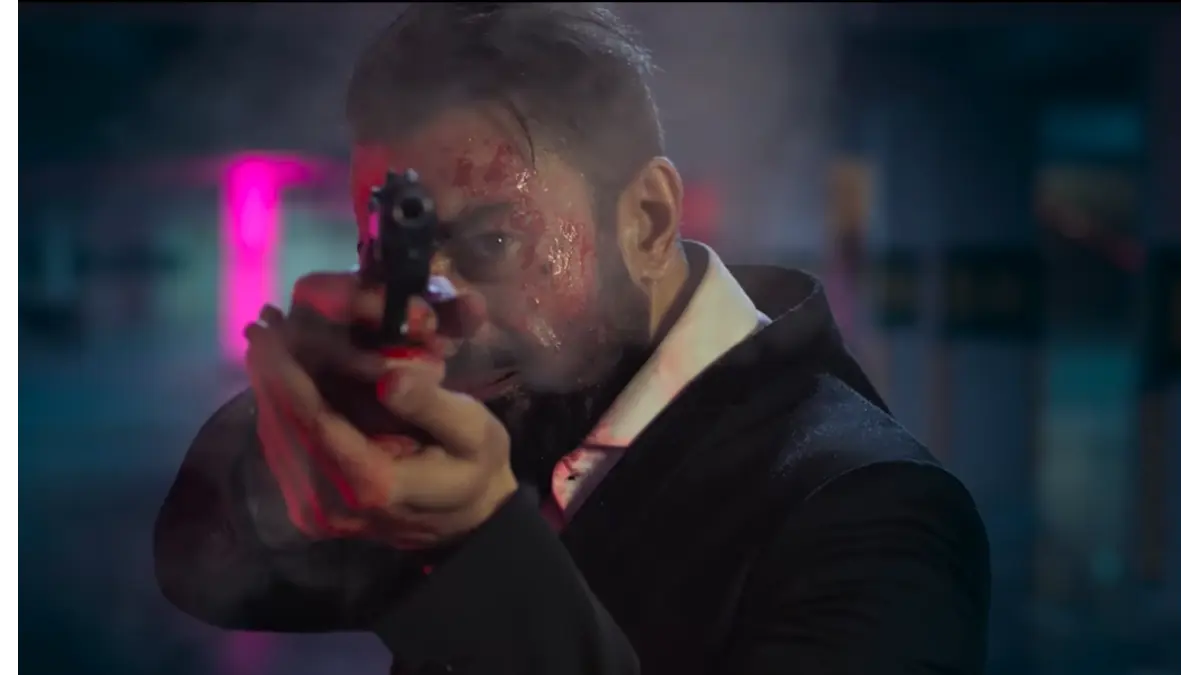
In the evolving landscape of Pakistani cinema, few releases generate the level of anticipation that greeted Bullah, the Punjabi-language action-drama that arrived in theatres on Eid-ul-Fitr 2026. Directed by Shoaib Khan and written by the esteemed screenwriter Nasir Adeeb, the film represents a significant milestone for Lollywood. It marks the long-awaited return of superstar Shaan Shahid to the big screen after years of relative absence. Produced by Shake Films, Bullah seamlessly integrates high-stakes action with emotional resonance and philosophical undertones, offering audiences a narrative rooted in Punjab’s spiritual and cultural heritage.
The story unfolds in the spiritually charged heart of Punjab, where the protagonist Bullah, portrayed by Shaan Shahid, inherits his father’s philosophical legacy of justice and resistance. Faced with systemic injustice, Bullah emerges as a modern defender of the vulnerable. He confronts a formidable mafia syndicate led by the ruthless Bakshi and his brutal enforcer Shahu. Alongside him stands undercover agent Sophia, a character who adds complexity and alliance to the central conflict. The narrative traces Bullah’s journey through loss, resilience, and personal awakening as he shelters displaced individuals while challenging powerful adversaries. Without revealing key plot developments, the film explores how faith and moral conviction can confront corruption and violence, drawing subtle inspiration from the enduring wisdom of Sufi traditions associated with the name Bullah itself.
Shaan Shahid’s performance stands as the film’s undeniable cornerstone. He delivers a portrayal marked by intensity, physical commitment, and emotional depth that recalls his most memorable roles while demonstrating fresh maturity. Whether navigating visceral fight sequences or conveying quiet introspection, Shahid commands every frame with authenticity and presence. Supporting cast members further enrich the ensemble. Sara Loren brings nuance and strength to Sophia, while Naeema Butt, Adnan Butt, Saleem Sheikh, and Mona Liza contribute compelling portrayals that ground the story in relatable human dynamics. The chemistry among the leads enhances the film’s emotional core, preventing it from becoming merely an action vehicle.
Director Shoaib Khan demonstrates commendable technical proficiency. The cinematography captures Punjab’s landscapes with striking beauty, contrasting serene rural settings against the gritty urban underbelly of conflict. Action sequences are choreographed with precision and intensity, featuring practical effects and dynamic camera work that heighten the sense of peril without descending into gratuitous excess. The film’s pacing maintains engagement across its two-and-a-half-hour runtime, balancing explosive confrontations with moments of reflective dialogue drawn from Adeeb’s experienced hand. The soundtrack, highlighted by soulful tracks such as “Lajpalan,” complements the narrative’s themes of protection and honour, adding an auditory layer that lingers long after the credits roll.
Thematically, Bullah distinguishes itself by weaving contemporary concerns—displacement, organised crime, and the erosion of traditional values—into a framework of philosophical resistance. It avoids simplistic hero-villain binaries, instead presenting characters shaped by circumstance and choice. This approach lends the film a sense of cultural authenticity and relevance, particularly for audiences familiar with Punjab’s literary and spiritual traditions. Production values reflect a clear investment in quality, from detailed costuming to immersive sound design, signalling a maturing confidence within Pakistani regional cinema.
While the film occasionally leans into familiar genre conventions, its execution and heartfelt conviction largely overcome any predictability. Minor pacing adjustments in the mid-section might have tightened the experience further, yet these do not detract from the overall impact. Bullah succeeds most profoundly in its celebration of resilience and moral courage, qualities that resonate deeply in today’s context.
In conclusion, Bullah emerges as a commendable achievement that honours Shaan Shahid’s legacy while charting new territory for Punjabi-language storytelling. It delivers the adrenaline of superior action cinema alongside the emotional and thematic substance that elevates the medium. For viewers seeking an engaging, culturally grounded experience, the film represents essential viewing. As Pakistani cinema continues its upward trajectory, Bullah stands as a confident and entertaining testament to its potential. Audiences are likely to leave theatres inspired, reflective, and eager for more from this revitalised team. This Eid offering reaffirms that when talent, tradition, and technical skill converge, the result is cinema that both entertains and endures.
