Tota Roy Chowdhury, Abir Chatterjee, Mimi Chakraborty, Sanjoy Nag, Divyani Mondal, Rik Chatterjee
Release Date
October 15, 2026
Verdict: A thoughtful period drama that smartly weaves literature, history and resistance. Strong performances and relevant themes make it engaging, though the pacing in the first half holds it back from being fully absorbing.
Pros:
Tota Roy Chowdhury’s powerful and lived-in portrayal of Sarat Chandra
Interesting parallel storytelling between the writer and his fictional revolutionary
Relevant themes of free speech, dissent and the power of the written word
Cons:
Slow first half that takes time to reach the central conflict
Some visual choices feel slightly out of place
About Emperor vs Sarat Chandra 2026
Detail
Information
Title
Emperor vs Sarat Chandra
Directed by
Srijit Mukherji
Written by
Srijit Mukherji
Produced by
Pradip Kumar Nandy
Cast
Tota Roy Chowdhury, Abir Chatterjee, Mimi Chakraborty, Sanjoy Nag, Divyani Mondal, Rik Chatterjee
Cinematography
Indranath Marick
Music by
Srijit Mukherji
Production Companies
Nandy Movies
Release Date
15 October 2026
Country
India
Language
Bengali
Genre
Historical Drama, Political Drama
Censor Rating
UA13+
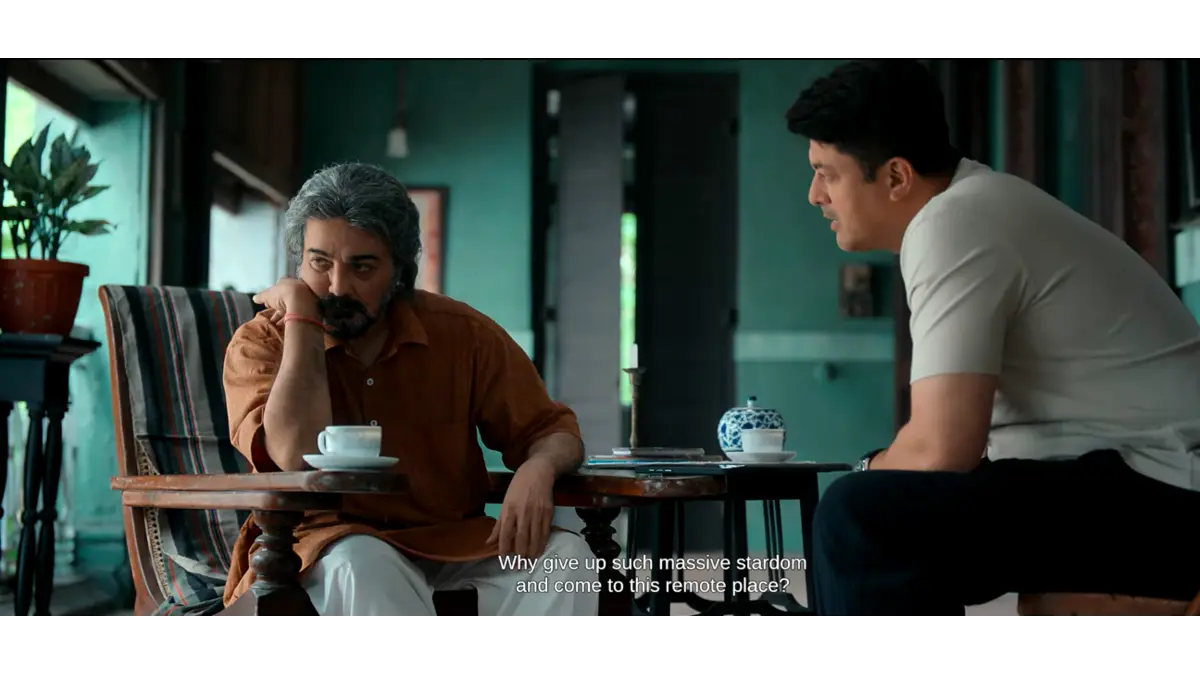
Srijit Mukherji’s Emperor vs Sarat Chandra arrives during Durga Puja as one of the more ambitious Bengali releases of the season. The film revisits a real chapter from Bengal’s literary history the 1926 publication of Sarat Chandra Chattopadhyay’s revolutionary novel Pather Dabi and the British government’s decision to ban it the following year. At its heart, the film runs two parallel tracks. One follows the celebrated novelist as he faces pressure from colonial authorities.
The other brings to life Sabyasachi Mallick, the fiery fictional revolutionary from the pages of Pather Dabi. The result is a story about the power of ideas and the cost of speaking against power. Early audience reactions on social media and early reviews have been largely positive, with special praise for the lead performances. Many viewers have called it a meaningful watch rather than a pure commercial entertainer.
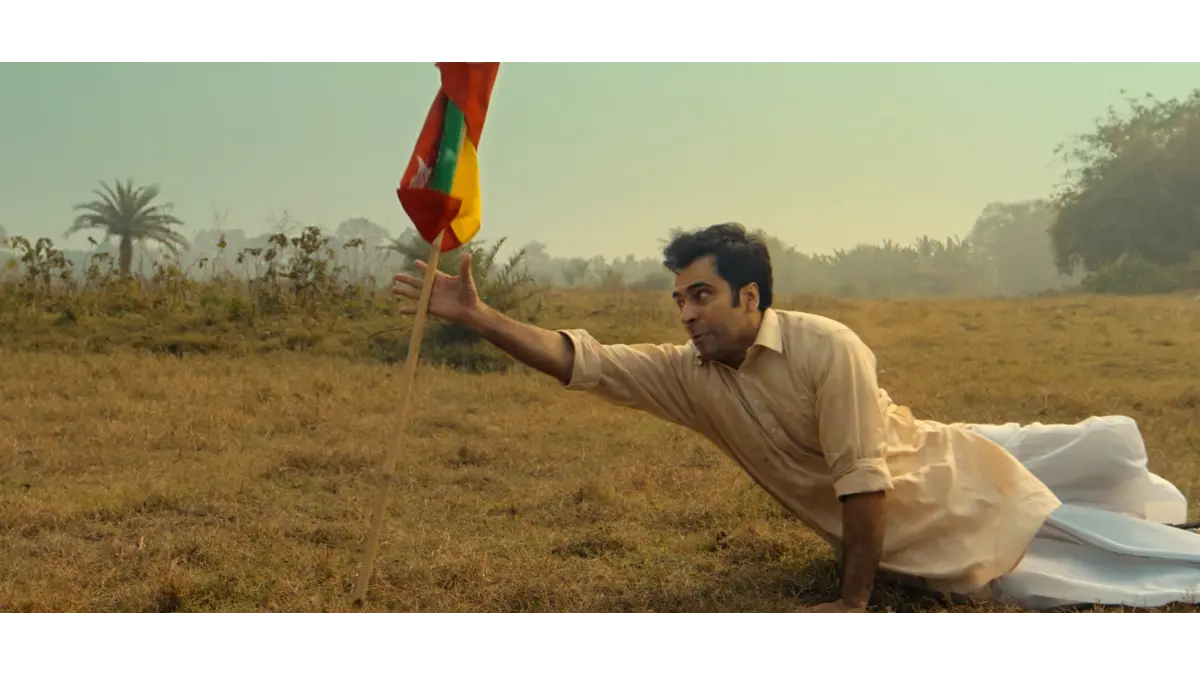
The story stays close to the historical events without major spoilers. Sarat Chandra, already famous for novels like Devdas, writes a politically charged book that openly challenges British rule. The novel spreads quickly among young readers and revolutionaries. When the colonial government labels it seditious and bans it, the writer finds himself at the centre of a quiet but intense battle. At the same time, the film shows the world of Sabyasachi a master of disguise and a determined fighter whose ideas continue to inspire people even as the book faces suppression.
On X and other platforms, the most consistent praise has gone to Tota Roy Chowdhury. Viewers and early reviewers describe his performance as a masterclass. He captures the body language, speech and quiet intensity of Sarat Chandra so convincingly that the character feels fully alive. Abir Chatterjee has also earned appreciation for bringing conviction and energy to Sabyasachi without simply copying earlier portrayals.
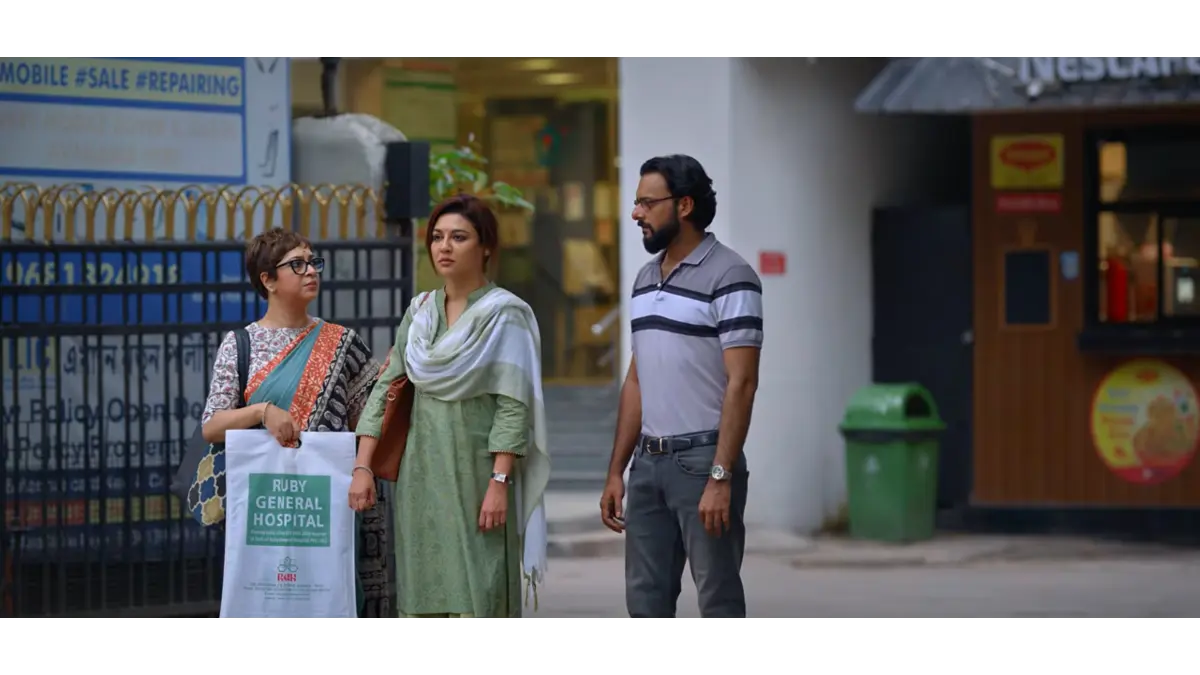
Supporting turns by Mimi Chakraborty and others have been noted as solid. Common points of discussion include the film’s thoughtful dialogues and the way it draws quiet parallels between the colonial era and questions of free expression that still feel relevant. Some viewers, however, felt the first half moves slowly as it spends considerable time building Sarat Chandra’s personal and literary background before the ban becomes the main focus.
A few also mentioned that certain visual elements disrupted the period feel. This is a film that will appeal most to viewers who enjoy literature-driven stories, historical dramas, and films that raise questions rather than offer easy answers. Those looking for high-energy action or pure entertainment may find the pace deliberate. The strengths lie in the performances, the idea of literature as resistance, and the careful recreation of a charged time in Bengal’s cultural history.
The weaknesses sit mainly in the pacing and occasional visual choices that pull the audience out of the period atmosphere. If you are interested in Bengali cinema that treats history and ideas with seriousness, Emperor vs Sarat Chandra is worth watching in theatres. For others, it may work better as a thoughtful streaming watch later.
Kadir is a box office reporter and film analyst based in Hojai, Assam, and the founder of Tenvow.com. Since 2015 he has covered theatrical collections and the business of film, with reporting that spans day wise box office figures, weekend performance, and wider release trends across India and the United States.