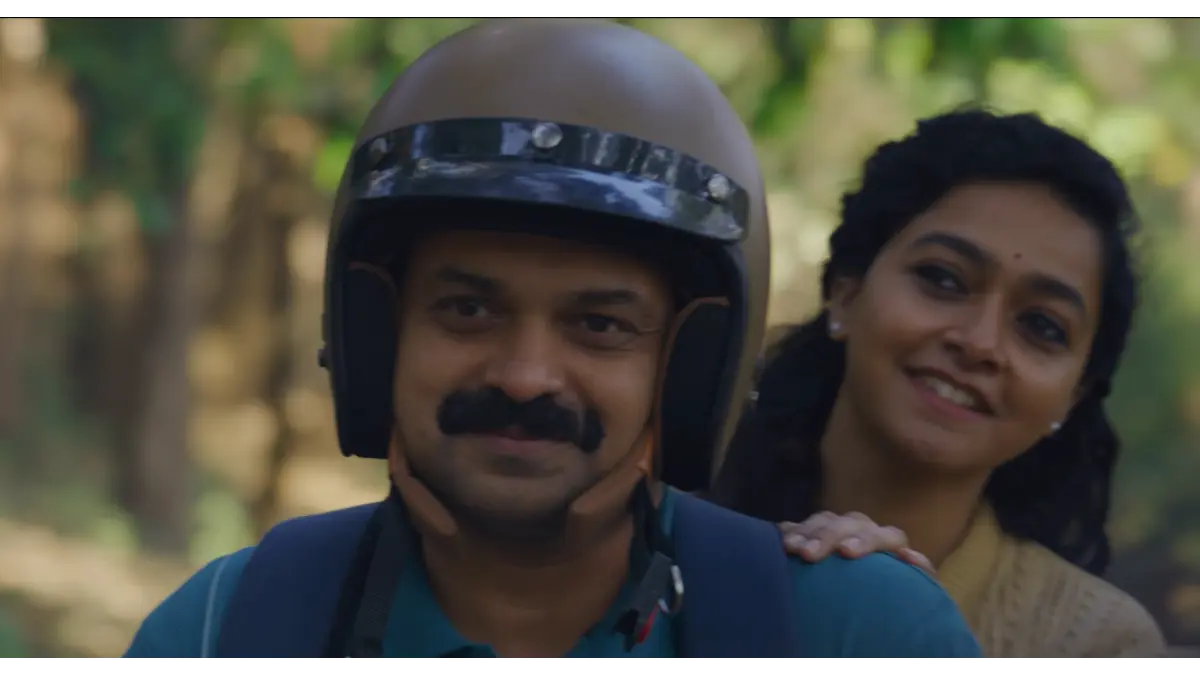
Ratheesh Balakrishnan Poduval, the director known for films such as Android Kunjappan Version 5.25 and Nna Thaan Case Kodu, returns with Oru Durooha Saahacharyathil, a Malayalam psychological comedy thriller that opened in theatres on 15 April 2026. Starring Kunchacko Boban in the lead role, the film runs for two hours and fifteen minutes and presents a story that begins in quiet domesticity before shifting into tension-filled territory. It offers an engaging mix of situational humour, emotional depth, and suspense, though the final result is somewhat uneven.
The narrative centres on Sethu (Kunchacko Boban), a reserved government health worker living in a remote part of Wayanad. He devotes himself to caring for his bedridden elder brother, Madhu (Dileesh Pothan), while managing his own personal challenges. Their isolated and predictable routine is suddenly interrupted when an armed stranger (Sajin Gopu) forces his way into their home, demanding shelter as law enforcement closes in. What starts as a domestic drama gradually evolves into a psychological thriller, exploring themes of brotherhood, vulnerability, and the unexpected ways ordinary lives can be disrupted.
The film’s greatest strength lies in its performances. Kunchacko Boban delivers a measured and convincing portrayal of Sethu, capturing the character’s quiet resilience and internal conflicts with subtlety and restraint. Dileesh Pothan, despite limited mobility in his role, communicates volumes through expressive eyes and precise gestures, adding emotional weight to the brotherly relationship. Sajin Gopu provides effective contrast as the intrusive outsider, injecting moments of chaotic energy and dark humour. The supporting cast, including Sharanya and Chidambaram, offers solid contributions that enrich the ensemble.
Ratheesh Balakrishnan Poduval’s writing excels in the first half, where the humour feels rooted in everyday situations and the characters appear genuine and relatable. The scenic beauty of Wayanad is captured effectively through the cinematography, while Dawn Vincent’s background score complements both the lighter and more intense sequences. However, the second half adopts a more experimental and ambitious tone, introducing psychological layers and twists that some viewers may find scattered or overly complicated. This shift, while intentional, occasionally disrupts the narrative flow and leaves the overall experience feeling slightly fragmented.
Oru Durooha Saahacharyathil succeeds in highlighting the absurdities of ordinary existence under pressure and in celebrating the quiet strength found in family ties. It may not achieve complete balance across its genres, yet it remains a watchable and distinctive offering, particularly for audiences who appreciate character-driven stories with a blend of wit and tension. The film earns a rating of 3 out of 5. It is recommended for those seeking a Malayalam cinema experience that values performances and atmosphere over conventional thrills.
Kadir is a box office reporter and film analyst based in Hojai, Assam, and the founder of Tenvow.com. Since 2015 he has covered theatrical collections and the business of film, with reporting that spans day wise box office figures, weekend performance, and wider release trends across India and the United States.